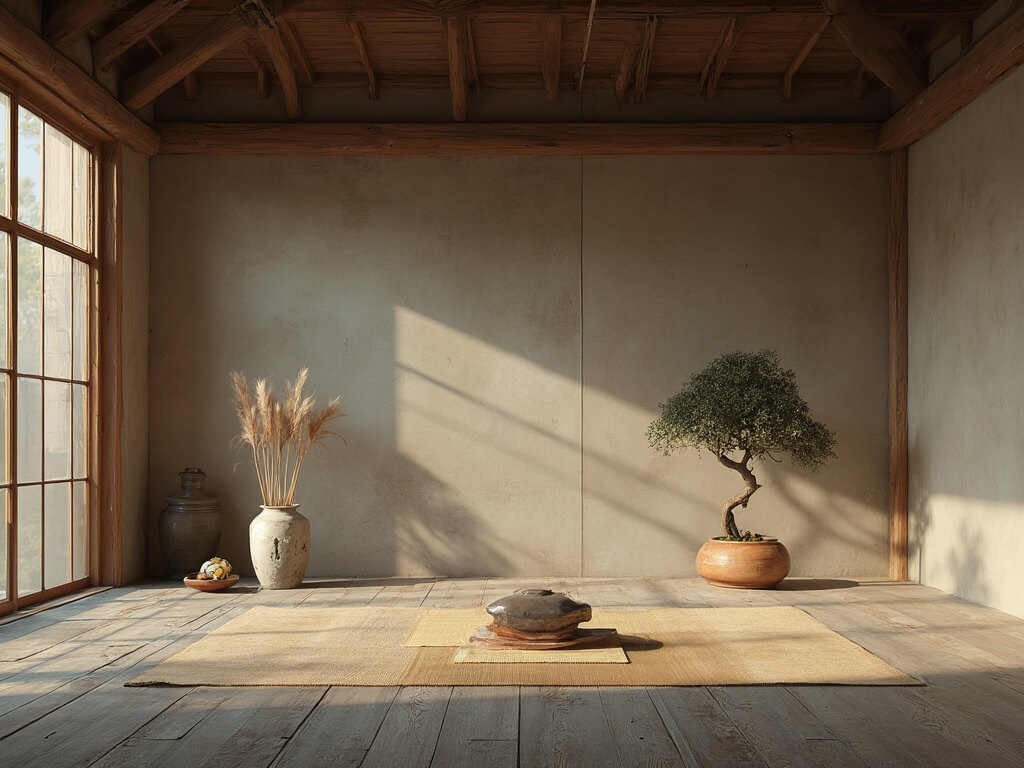
Imagine walking into a space that breathes with authenticity, where every crack, weathered surface, and asymmetrical line tells a story.
Wabi-sabi architecture isn’t just a design style—it’s a profound philosophy that completely transforms how we perceive beauty and living spaces.
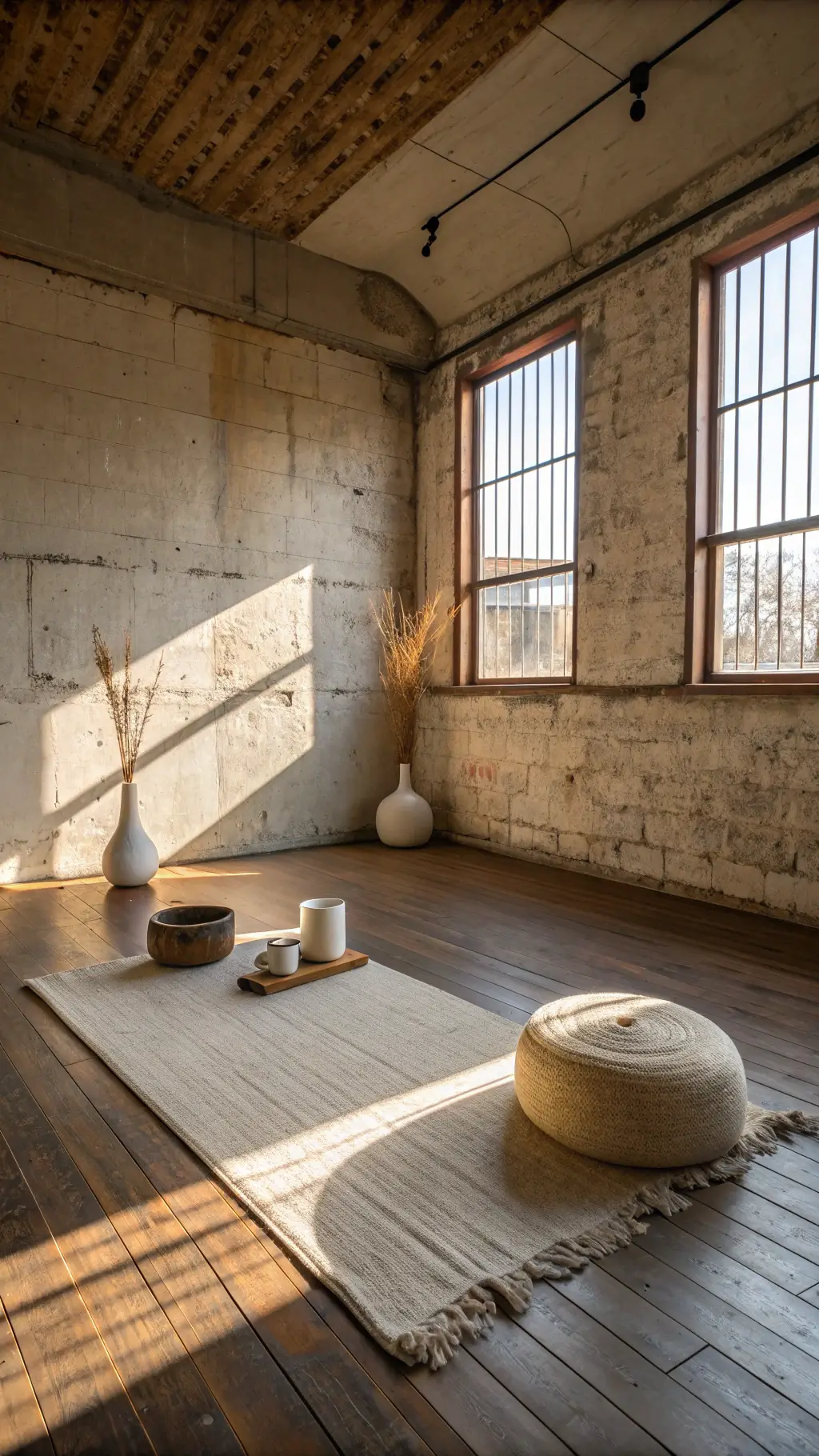
What Makes Wabi-Sabi Architecture Unique?
Wabi-sabi is the antithesis of Instagram-perfect interiors. It’s about celebrating:
- The beauty of imperfection
- Natural materials and their inherent character
- Spaces that feel alive and authentic
- Design that connects us deeply with nature
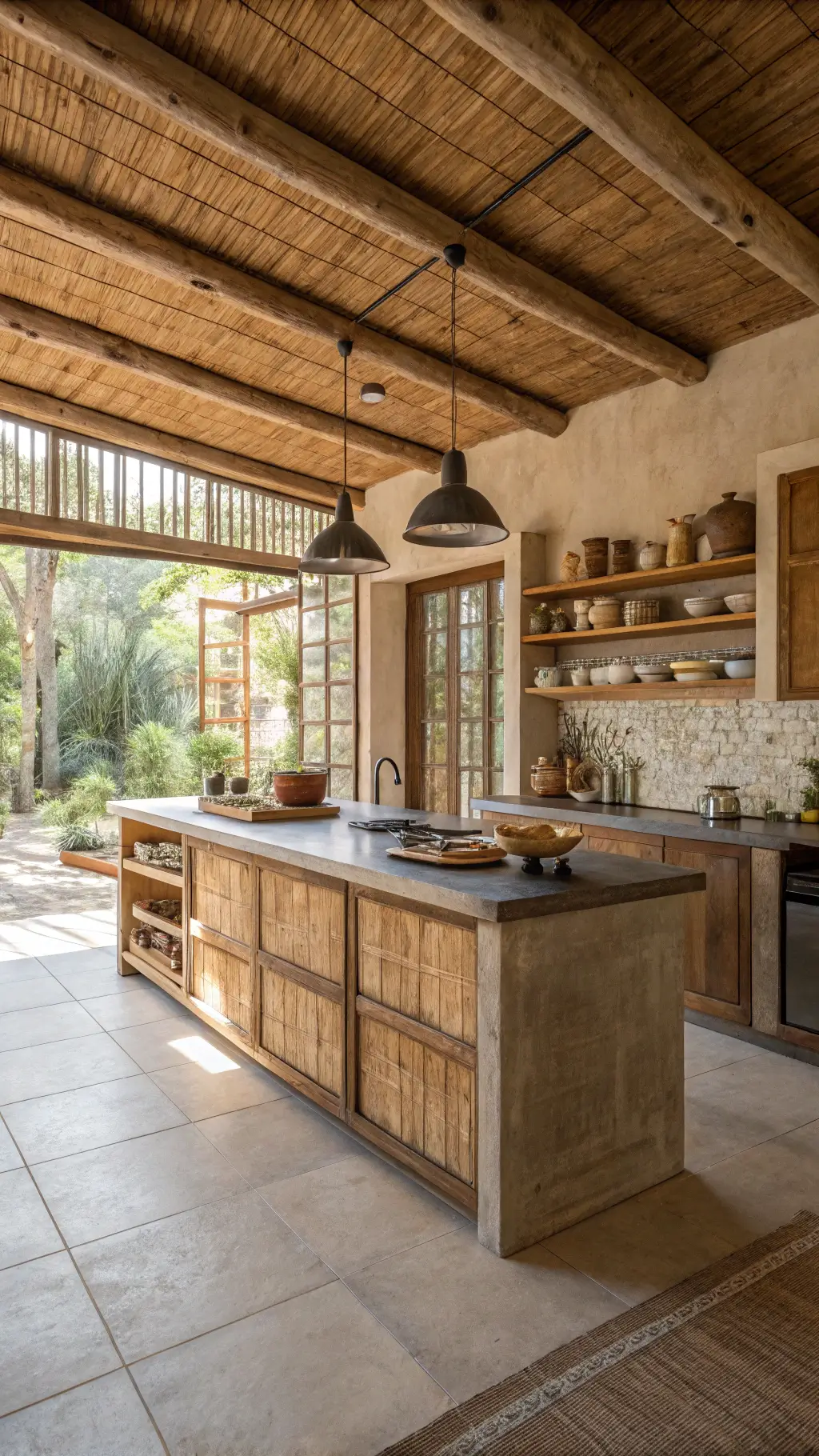
The Core Philosophy: Beauty in Imperfection
This Japanese design approach doesn’t just create spaces—it tells stories through materials, textures, and intentional “flaws”.
Key Design Elements:
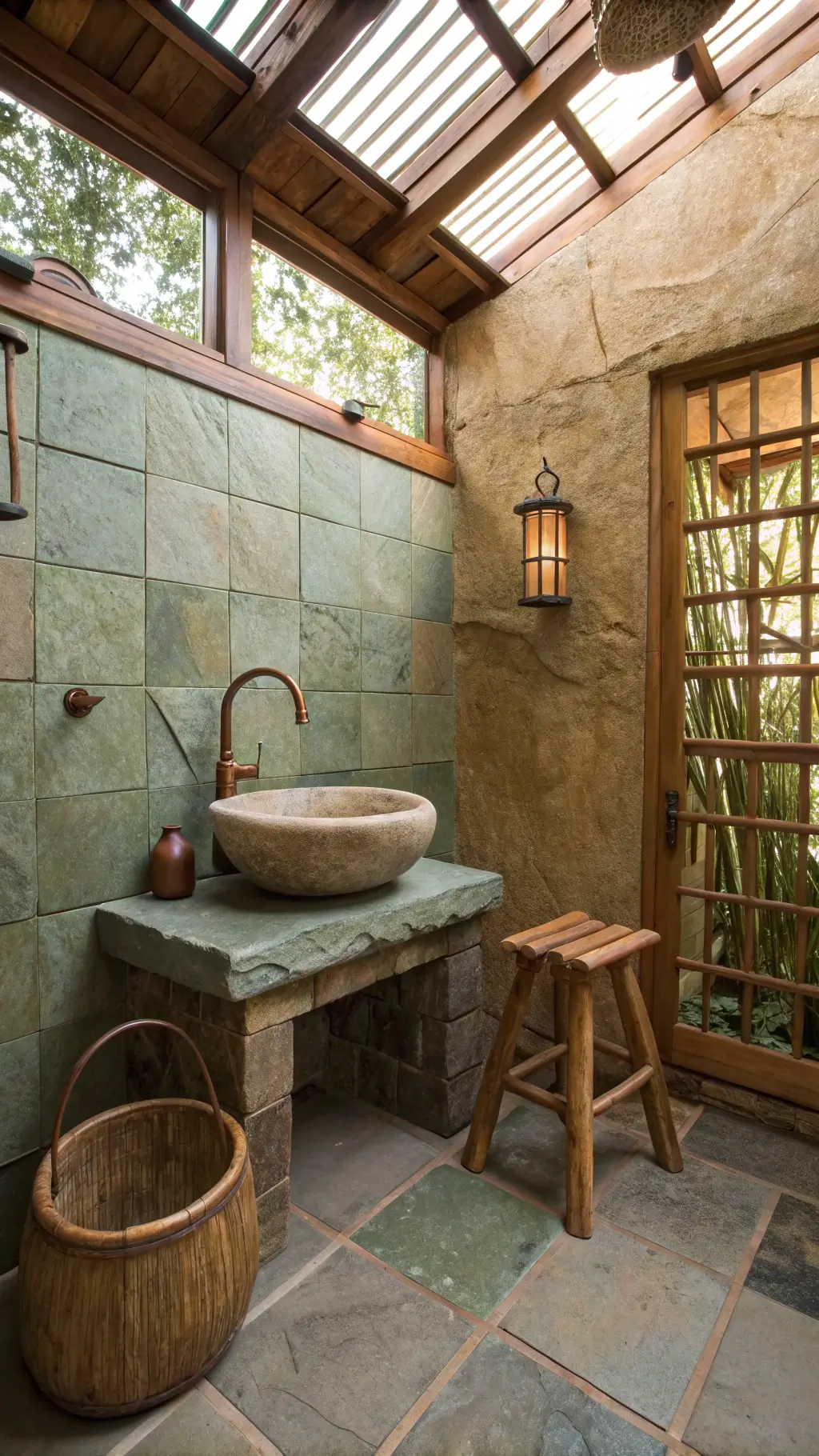
1. Natural Materials Matter
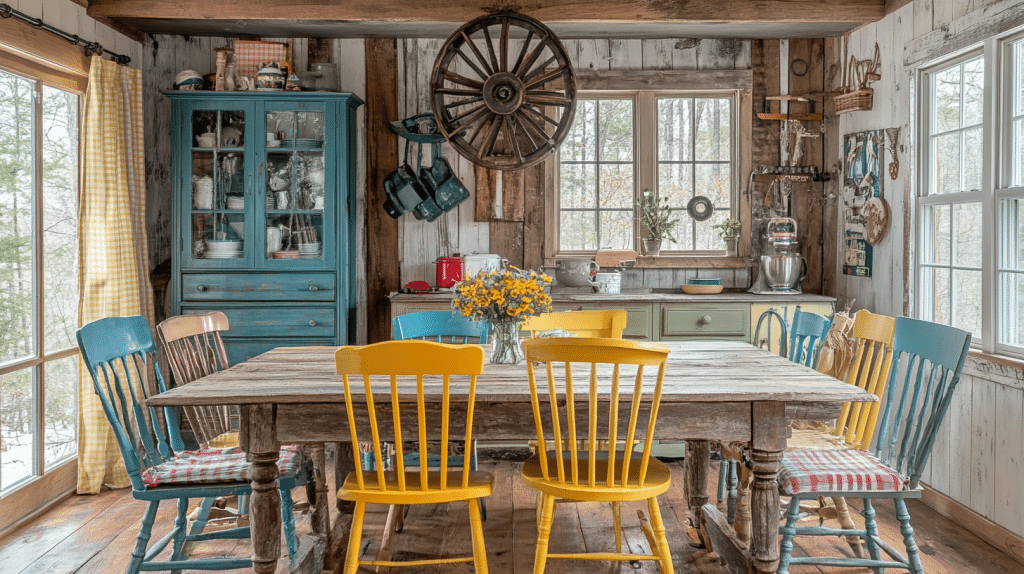
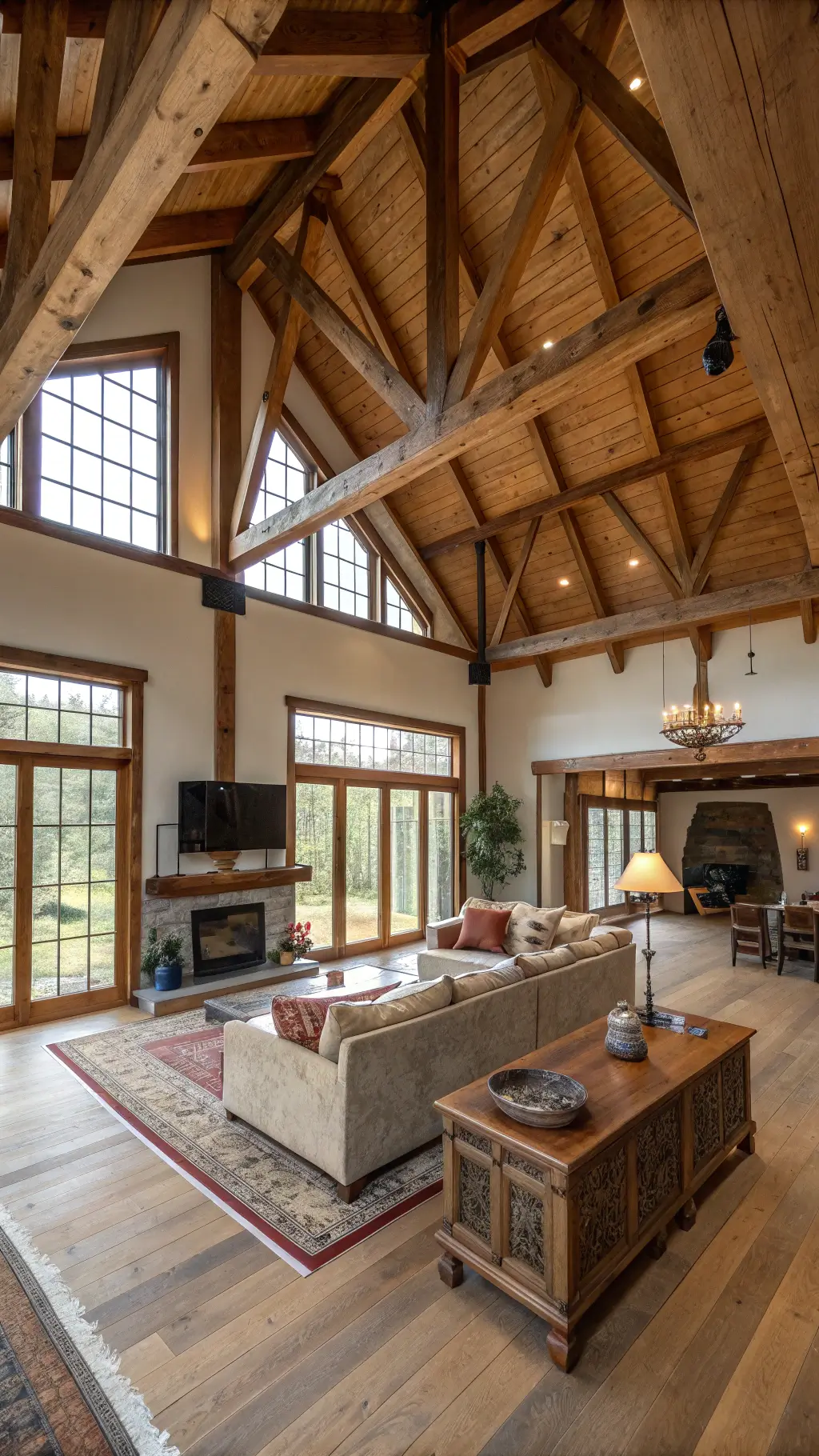
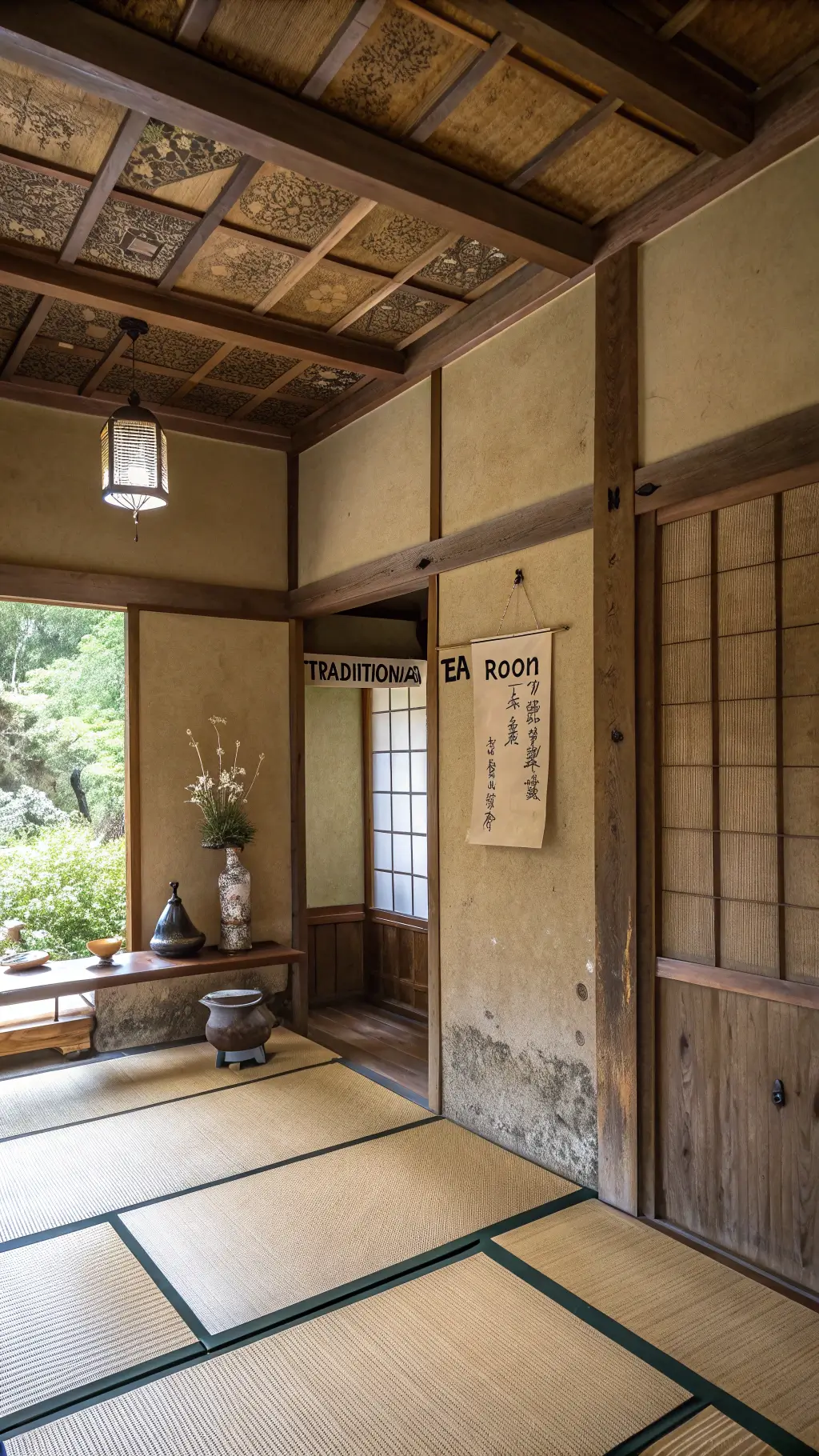
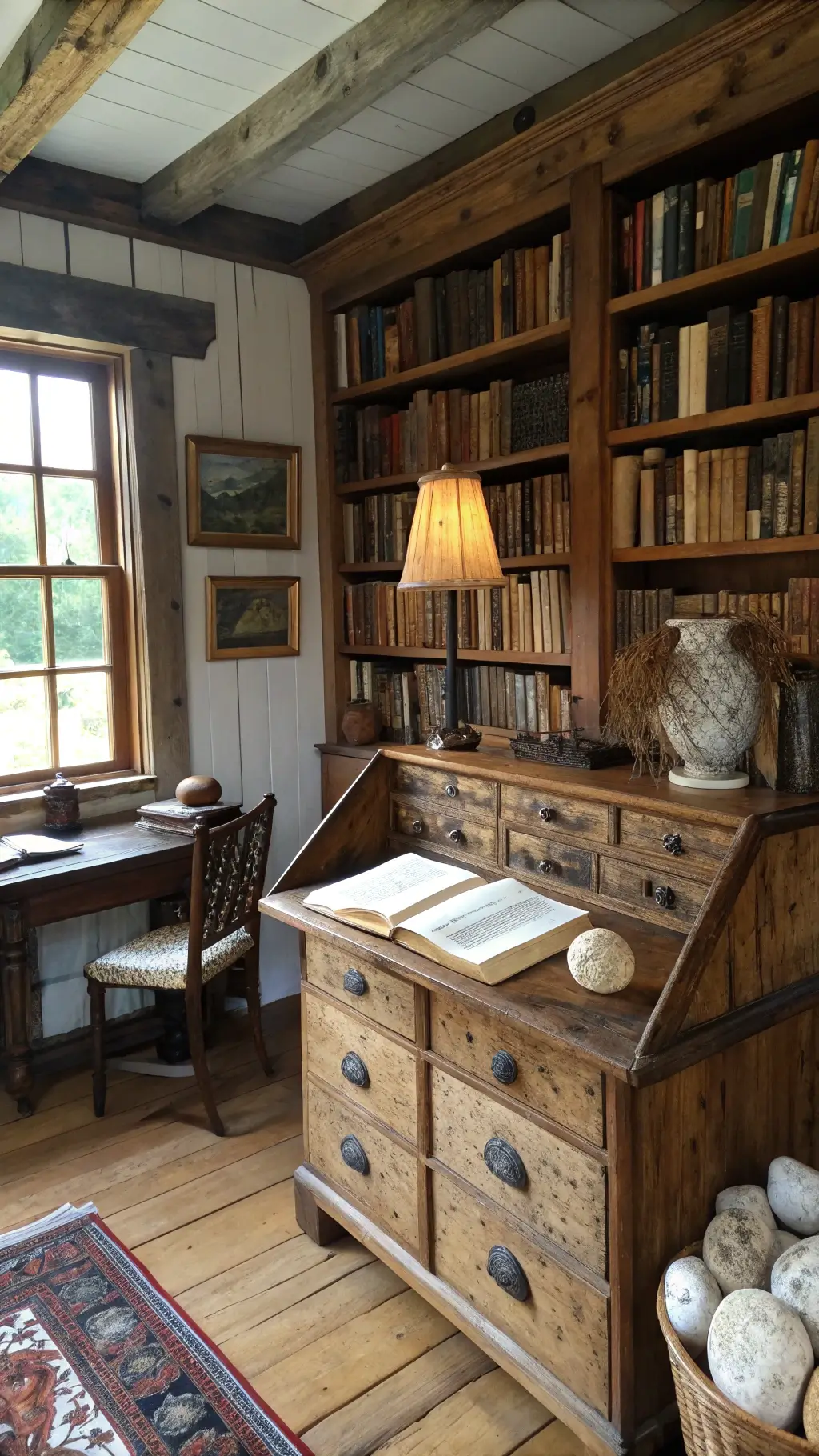
- Aged wood with visible grain
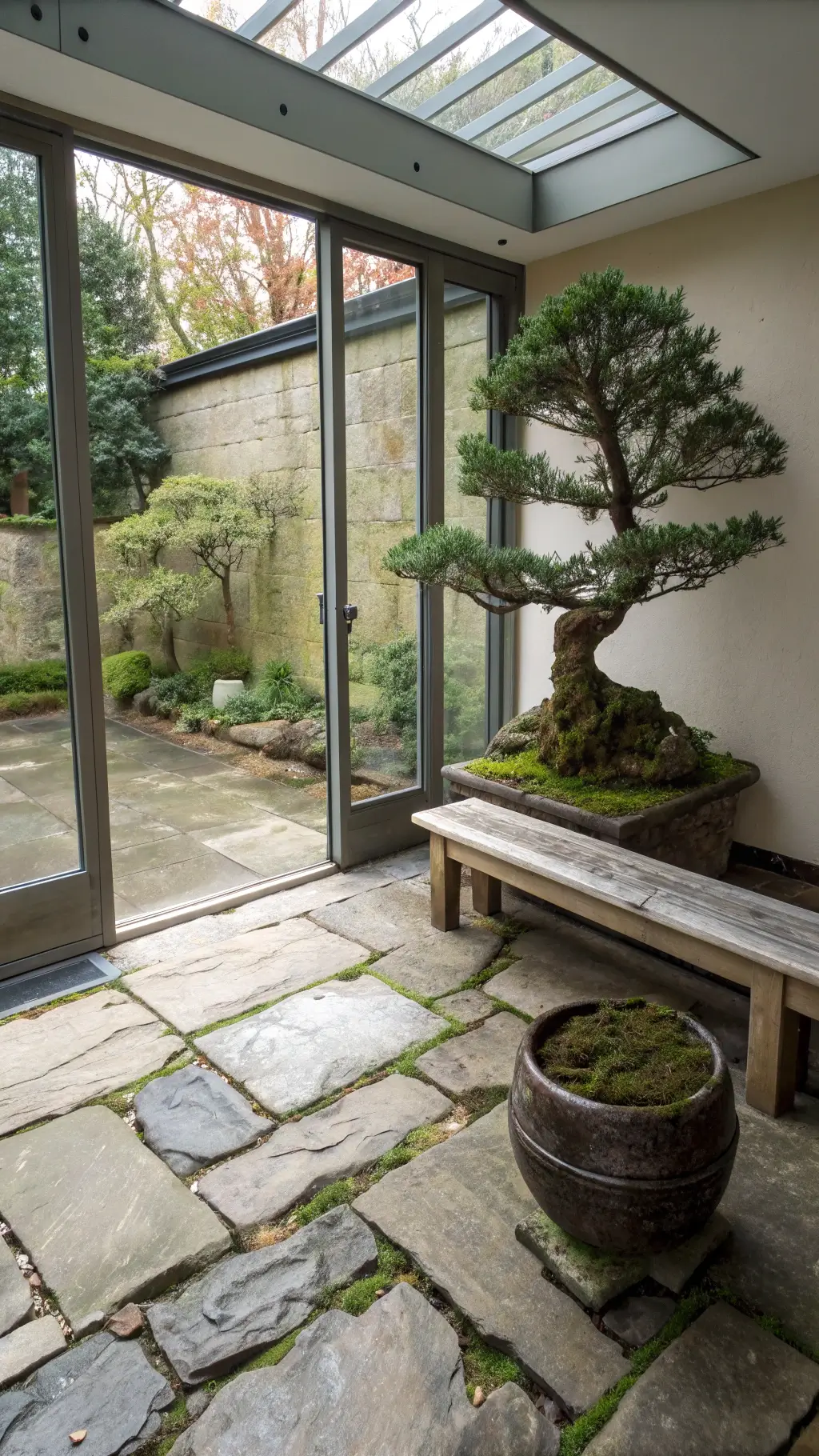
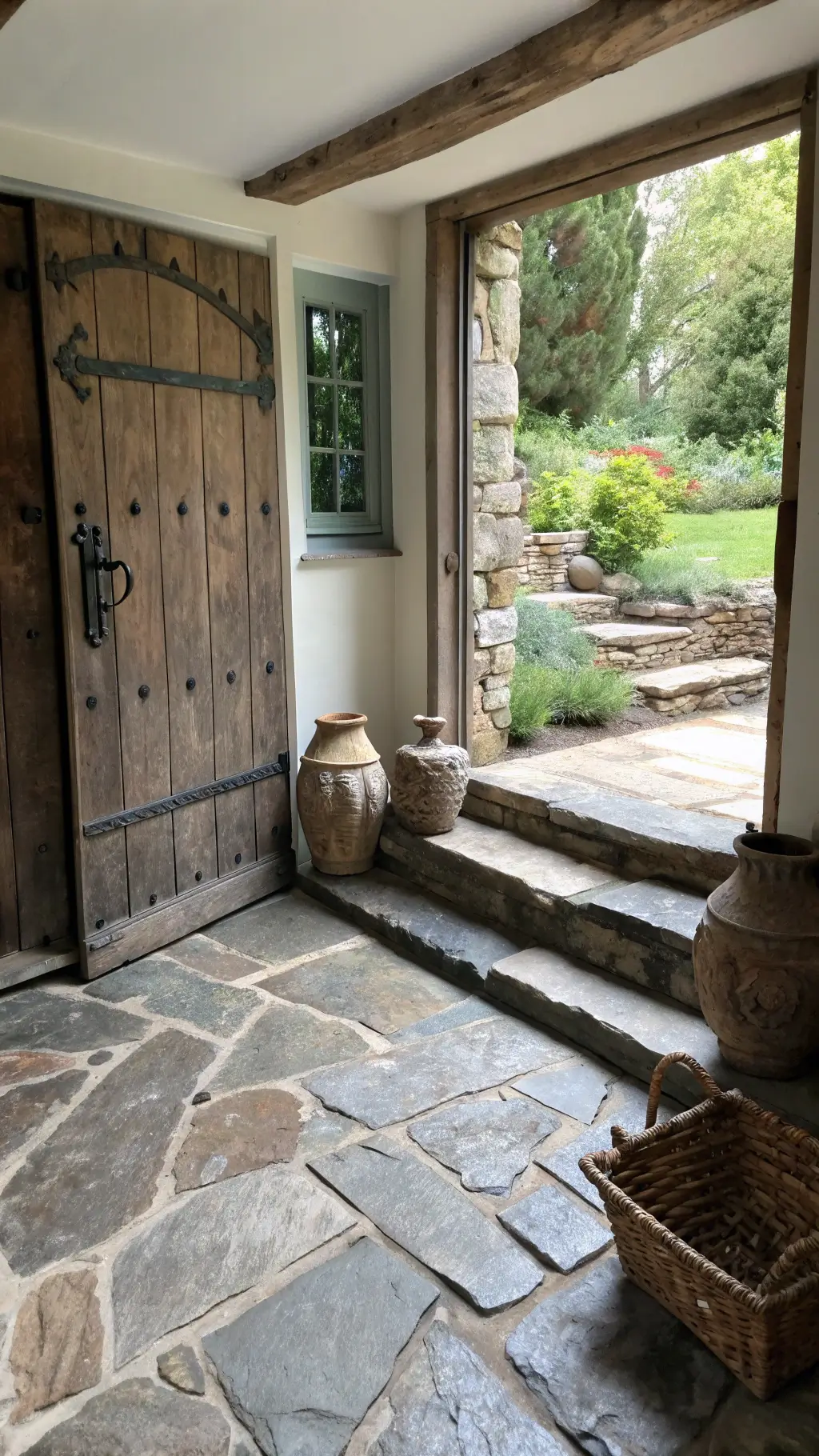
- Unpolished stone surfaces
- Raw ceramic elements
- Bamboo structures that showcase natural textures
2. Embracing Wear and History
- Visible patina on surfaces
- Intentional repairs (like golden joinery)
- Surfaces that show their journey through time
3. Minimalism with Soul
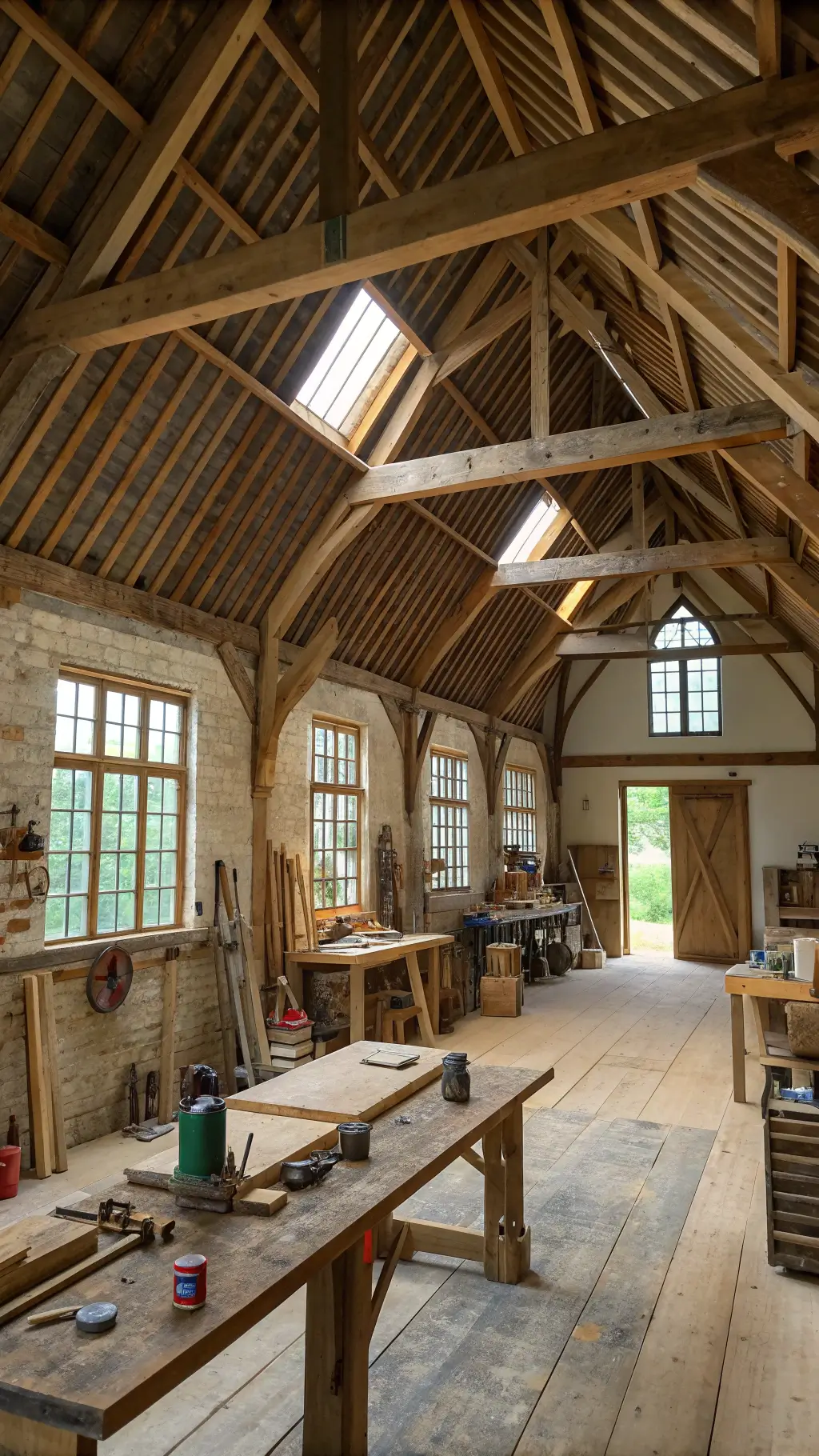
- Clean, uncluttered spaces
- Deliberate asymmetry
- Handcrafted elements with unique character
Color Palette: Whispers of Nature
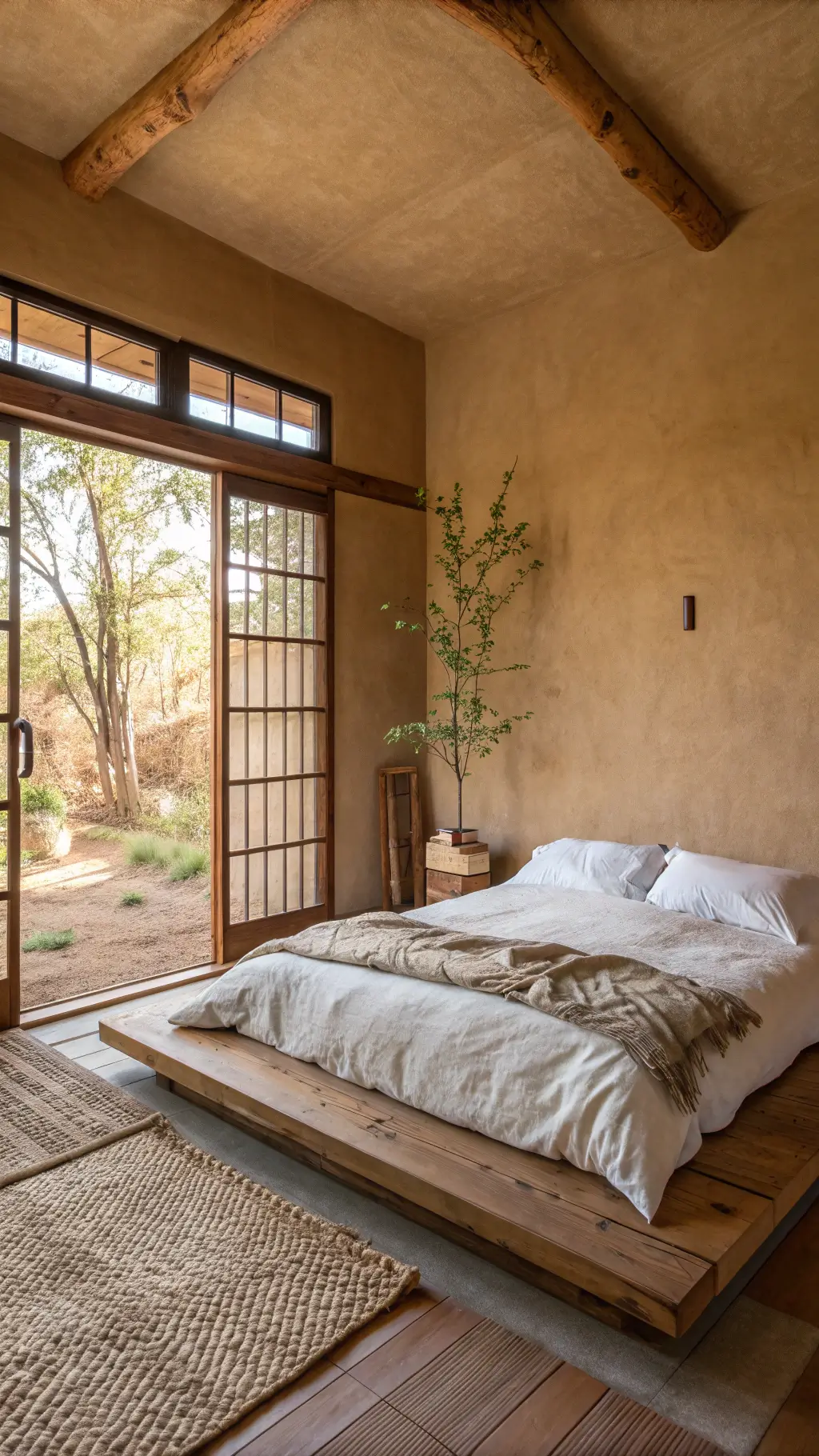
- Soft earth tones
- Muted grays
- Mossy greens
- Warm neutrals
Practical Applications
Wabi-sabi isn’t just for traditional Japanese homes. Modern architects are integrating these principles in:
- Contemporary residential designs
- Commercial spaces
- Sustainable architecture
- Minimalist urban environments
Real-World Examples
The Teshima Art Museum demonstrates wabi-sabi perfectly—a structure that breathes and changes with natural elements, blurring lines between building and landscape.
Why Wabi-Sabi Matters Now
In a world obsessed with perfection, wabi-sabi reminds us that:
- Imperfection is beautiful
- Every mark tells a story
- Authenticity trumps flawlessness
- Spaces should feel alive, not sterile
Design Tips for Embracing Wabi-Sabi
- Choose materials with visible texture
- Allow natural aging and wear
- Incorporate handmade elements
- Create spaces that feel organic and unforced
- Use natural light to highlight unique surfaces
Who Should Explore Wabi-Sabi?
- Minimalist design lovers
- Those seeking meaningful, intentional spaces
- Individuals valuing sustainability
- People wanting deeper connection with their environment
Final Thoughts
Wabi-sabi isn’t just design—it’s a mindset. It teaches us to find beauty in impermanence, to appreciate the journey of materials, and to create spaces that feel genuinely alive.
Your home isn’t about perfection. It’s about telling your unique story, one beautifully imperfect surface at a time.